
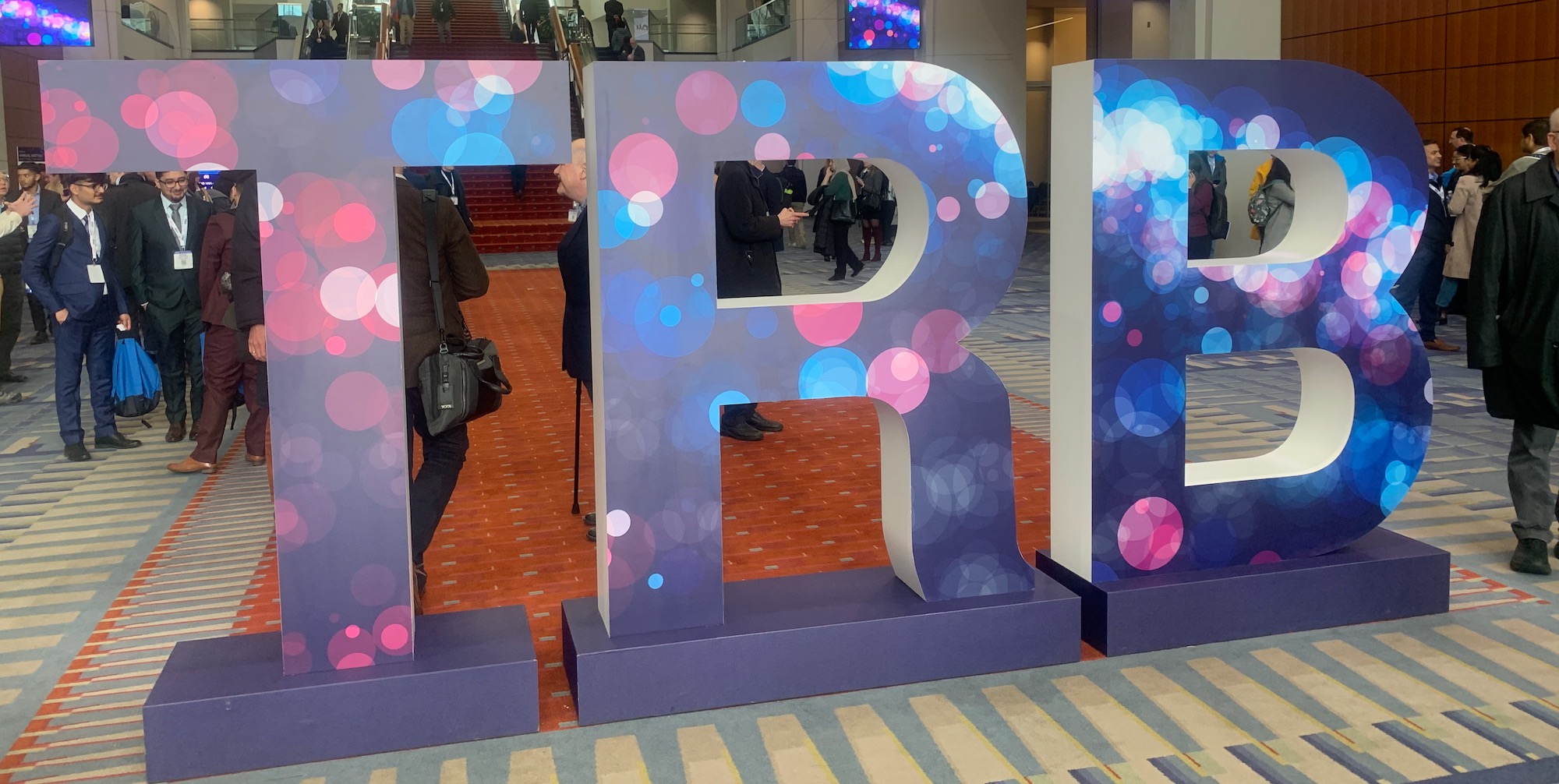
Navigating the Future: Empowering Maritime Cadets and Young Seafarers through the TRB Marine Group
The vast expanse of the world’s oceans has long been a symbol of opportunity, exploration, and adventure. For those drawn to a life at sea, the challenges and rewards of the maritime industry are unparalleled. The National Academies Transportation Research Board (TRB) Marine Group stands at the forefront of transforming the maritime transportation system (MTS), addressing issues that range from ports and channels to safety, human factors, and environmental sustainability. In this article, we aim to not only shed light on the essential components of the TRB Marine Group but also to inspire the next generation of seafarers, particularly cadets at maritime academies and younger professionals, to actively engage in shaping the future of marine transportation.
Understanding the TRB Marine Group:
The TRB Marine Group comprises five standing committees, each with a specific focus aimed at addressing key challenges within the maritime industry. These committees provide a platform for transportation professionals to collaborate, share insights, and propose research initiatives. The committees under the TRB Marine Group are:
1. AW010 – Standing Committee on Ports and Channels:
- Addresses planning, financing, and management of coastal and Great Lakes ports and channels.
- Includes issues related to port maintenance, development, cargo handling technology, landside access, cruise operations, and environmental concerns.
2. AW020 – Standing Committee on Inland Water Transportation:
- Focuses on the movement of freight and passengers by inland and intra- and intercoastal waterways.
- Encompasses planning, financing, management, vessels, ports, environmental considerations, and intermodal system integration.
3. AW030 – Standing Committee on Marine Environment:
- Considers the environmental performance of the maritime transportation system, including ports, vessels, waterways, and other maritime activities.
- Collaborates with other TRB committees and task forces to assess the impact of various transportation modes on the marine environment.
4. AW040 – Standing Committee on Marine Safety and Human Factors:
- Brings together safety researchers and operating personnel from the marine sector to enhance the performance, safety, efficiency, and comfort of those involved in marine transportation systems.
- Encompasses the human role in vessel operation, vessel management, maintenance, protection of marine areas, and the impact of water transportation on communities.
5. AW050 – Standing Committee on Ferry Transportation:
- Fosters and distributes useful research concerning ferry systems, including requirements, operations, planning, management, design, construction, maintenance, and utilization.
- Includes ferries operating in ocean, coastal, inland, and river environments, carrying passengers and vehicles with drivers.
In addition to these committees, the TRB Marine Board serves as an internationally recognized source of expertise on maritime transportation, marine technology, and offshore development. The Marine Board identifies research needs and facilitates the exchange of information on new technologies, laws and regulations, economics, the environment, and issues affecting the marine transportation system.
The Urgent Need for Research in Maritime Transportation:
The challenges faced by the maritime industry are substantial, multifaceted, and ever-evolving. The TRB Marine Group recognizes the urgency of addressing these challenges and emphasizes the critical role of research in transforming the MTS. The following aspects highlight why research is imperative:
1. Efficiency and Innovation:
– Research initiatives contribute to the development of innovative technologies and practices that enhance the efficiency of port operations, cargo handling, and transportation logistics.
2. Safety and Human Factors:
– The safety and well-being of those involved in marine transportation systems are paramount. Research conducted by the Marine Safety and Human Factors Committee is crucial in identifying and addressing critical issues related to human roles, health, safety, and the impact on communities.
3. Environmental Sustainability:
– The Marine Environment Committee focuses on the environmental performance of the maritime transportation system. Research in this area is vital for promoting sustainable practices that minimize the ecological impact of maritime activities.
4. Intermodal Integration:
– Inland Water Transportation and Ferry Transportation Committees emphasize intermodal aspects and system integration. Research in these areas enhances the coordination and efficiency of different transportation modes, contributing to a seamless and integrated transportation network.
5. Adaptability to Emerging Challenges:
– The maritime sector faces rapidly emerging challenges, such as those arising from the COVID-19 pandemic. Research is essential for identifying and addressing these challenges promptly, ensuring that the MTS remains resilient and adaptable.
Inspiring Maritime Cadets and Young Seafarers:
For maritime cadets and young seafarers, engagement with the TRB Marine Group can be a transformative experience. Here are a few reasons why active involvement is not only beneficial but essential:
1. Learning and Networking Opportunities:
– Participation in TRB committees provides a unique chance to learn from experienced professionals and experts in the maritime industry. It offers a platform for networking and building relationships with individuals across industry, government, and academia.
2. Contribution to Industry Evolution:
– Active engagement allows cadets and young seafarers to contribute their perspectives and ideas to the ongoing research and discussions within the TRB Marine Group. This contribution is invaluable for shaping the future of the maritime industry.
3. Exposure to Diverse Aspects of Maritime Operations:
– Involvement in specific committees, such as Ports and Channels or Marine Safety and Human Factors, exposes participants to various facets of maritime operations, from port management to vessel safety.
4. Access to Research Opportunities:
– TRB committees often collaborate on research initiatives and projects. Being part of these committees opens doors to involvement in impactful research that addresses real-world challenges faced by the maritime sector.
5. Professional Development:
– Active participation in the TRB Marine Group enhances professional development by providing exposure to cutting-edge research, industry trends, and regulatory changes. It cultivates a mindset of continuous learning and adaptability.
Conclusion:
The TRB Marine Group stands as a beacon for those who are passionate about the maritime industry, offering a platform to drive positive change through research and collaboration. For maritime cadets and young seafarers, the opportunity to engage with these committees is not just an invitation but a call to action. It is a chance to shape the future of marine transportation, contributing their energy, ideas, and enthusiasm to address the challenges and opportunities that lie ahead. As the maritime industry continues to evolve, the TRB Marine Group invites the next generation of seafarers to join hands in navigating the future of marine transportation, where innovation, sustainability, and safety are not just goals but guiding principles on the journey across the world’s oceans.