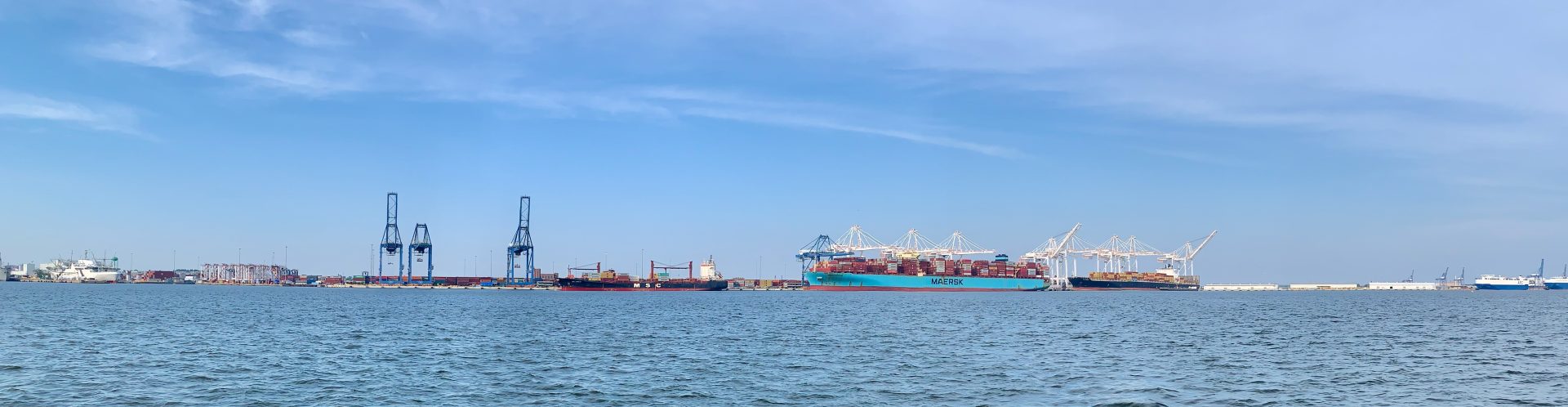

Anchored Yet Vigilant: Mitigating Collision Risks for Commercial Vessels at Anchor
Anchoring is a fundamental aspect of maritime operations, providing vessels with a stationary position for various purposes such as loading, unloading, or awaiting passage. However, being at anchor does not equate to being free from navigational responsibilities or risks. Recent incidents have underscored the critical importance of maintaining vigilance even while stationary. This comprehensive analysis delves into the obligations of anchored vessels, examines notable collision cases, and outlines best practices to enhance safety and prevent collisions while at anchor.
Understanding the Obligations of Anchored Vessels
The International Regulations for Preventing Collisions at Sea (COLREGs) serve as the foundational framework governing maritime conduct to prevent collisions. While these regulations extensively cover vessels underway, they also impose specific obligations on vessels at anchor.
Key COLREGs Provisions Relevant to Anchored Vessels:
- Rule 5 – Look-out: Mandates that every vessel must maintain a proper lookout by sight and hearing, as well as by all available means appropriate to the prevailing circumstances and conditions, to make a full appraisal of the situation and the risk of collision. This rule applies irrespective of whether a vessel is underway or at anchor.
- Rule 7 – Risk of Collision: Requires vessels to use all available means to determine if a risk of collision exists. If there is any doubt, such risk shall be deemed to exist. For anchored vessels, this entails actively assessing the movements of nearby vessels to anticipate potential threats.
- Rule 8 – Action to Avoid Collision: Specifies that any action taken to avoid collision shall be positive, made in ample time, and with due regard to the observance of good seamanship. Anchored vessels are not exempt from taking necessary action to prevent collisions, which may include signaling or, if feasible, maneuvering.
A 2013 study published in the Journal of Navigation emphasized that “the anchored vessel is still required to take active and positive measures, depending upon the specific circumstances, to avoid a collision.” This underscores the proactive role that anchored vessels must play in collision avoidance.
Case Studies Highlighting Collision Risks at Anchor
1. Collision between Hebei Spirit and Crane Barge Samsung No. 1 (December 2007):
The Hebei Spirit, a Very Large Crude Carrier (VLCC), was anchored off the coast of South Korea when it was struck by the crane barge Samsung No. 1, which had broken free from its towing tugs amid rough seas. The collision resulted in a significant oil spill, causing extensive environmental damage. Investigations revealed that while the Hebei Spirit‘s crew was not at fault for the initial incident, there were perceptions that they could have taken more proactive measures to mitigate the collision’s impact, such as attempting evasive maneuvers or issuing more urgent warnings.
2. Collision between CSL Virginia and Ferry Ulysse (October 2018):
The container ship CSL Virginia was anchored in the Mediterranean Sea when it was rammed by the Tunisian ro-ro ferry Ulysse, traveling at approximately 19 knots. The collision caused substantial structural damage and environmental pollution due to fuel spills. Investigations highlighted a stunning lack of proper lookout on both vessels. The CSL Virginia‘s crew failed to notice the rapidly approaching ferry in time to take evasive action, such as signaling or maneuvering, which could have potentially averted the collision or reduced its severity.
Lessons Learned and Best Practices
The aforementioned incidents highlight critical lapses in maintaining vigilance and taking proactive measures while at anchor. To enhance safety and mitigate collision risks, the following best practices are recommended:
- Comprehensive Review and Training:
- Conduct thorough reviews of relevant collision cases and COLREGs provisions with deck watch officers to reinforce the importance of maintaining a proper lookout and understanding the obligations of anchored vessels.
- Enhanced Anchor Watch Protocols:
- Incorporate specific guidance into standing and night orders, such as:
- Maintaining a sharp lookout both visually and through radar/AIS systems.
- Proactively using VHF radio, whistle signals, and searchlights to warn approaching vessels of potential collision risks.
- Minimizing bridge lighting to improve external visibility, ensuring the crew’s primary focus remains on the safety of the ship and crew rather than administrative tasks.
- Incorporate specific guidance into standing and night orders, such as:
- Effective Use of Searchlights:
- Utilize searchlights at night to draw the attention of approaching vessels for collision avoidance or security purposes. In accordance with COLREGs Rule 36 (Signals to Attract Attention), ensure that searchlights are used responsibly to avoid causing embarrassment or disorientation to other vessels by refraining from shining them directly into their bridge or wheelhouse.
- Appropriate Sound Signaling:
- When using the whistle to warn an approaching vessel of a collision risk, consider the following signals:
- In unrestricted visibility: The doubt signal as per COLREGs Rule 34(d), consisting of five or more short rapid blasts.
- In restricted visibility: The signal as per COLREGs Rule 35(g), comprising one short, one prolonged, and one short blast.
- When using the whistle to warn an approaching vessel of a collision risk, consider the following signals:
- Preparatory Measures:
- If time permits, ready the engines and sound the general alarm to alert the crew of an impending collision, ensuring swift and coordinated response actions.
Additional Reading and Links
BEAMER – CSL Virginia-Ulysse – Collision – October 2018
Hong Kong – Hebei Spirit-Crane Barge Samsung No 1 – Collision – December 2007
Korea – Hebei Spirit-Crane Barge Samsung No 1 – Collision – December 2007